Everything I Wish I Knew Before Selling At Craft Fairs
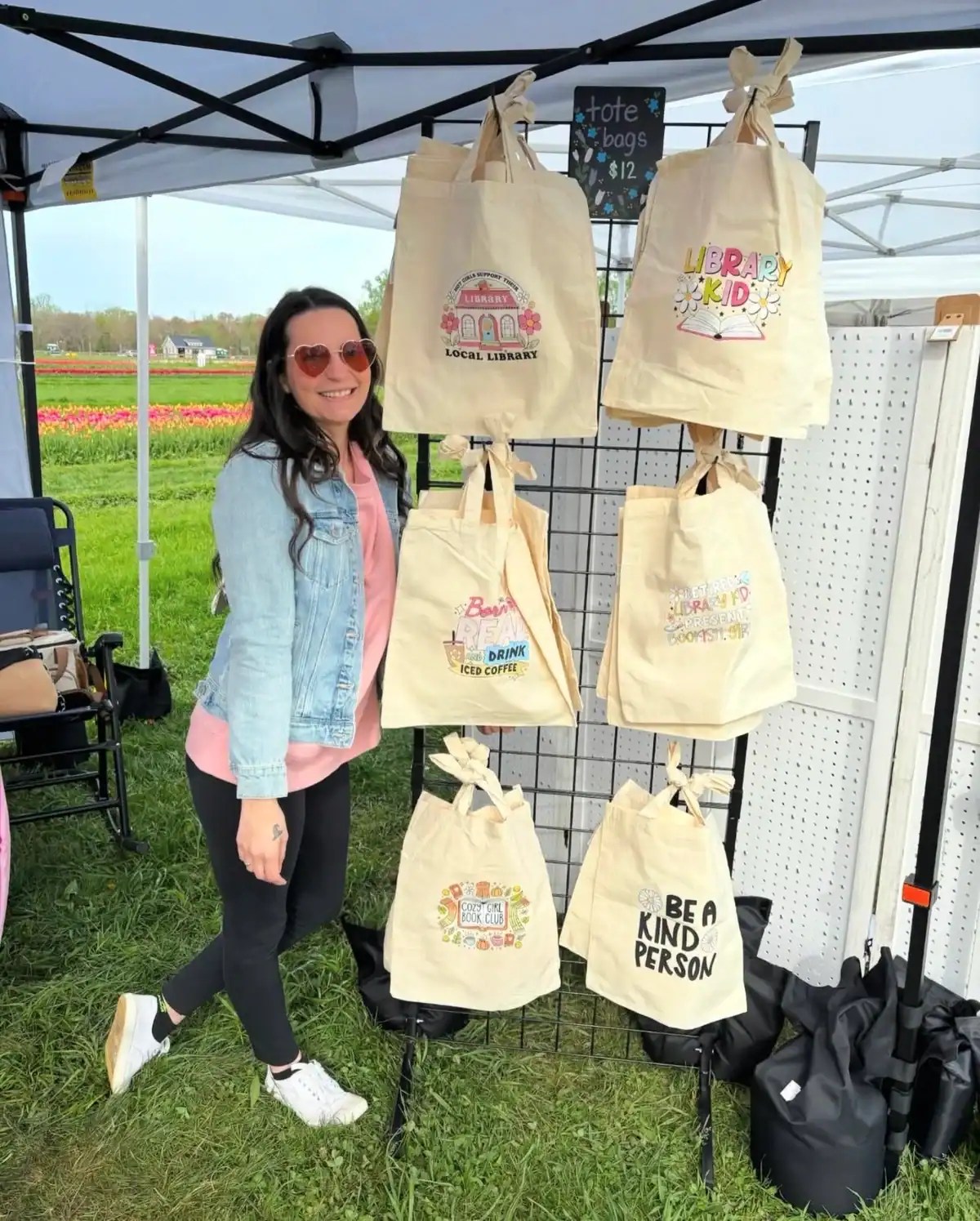
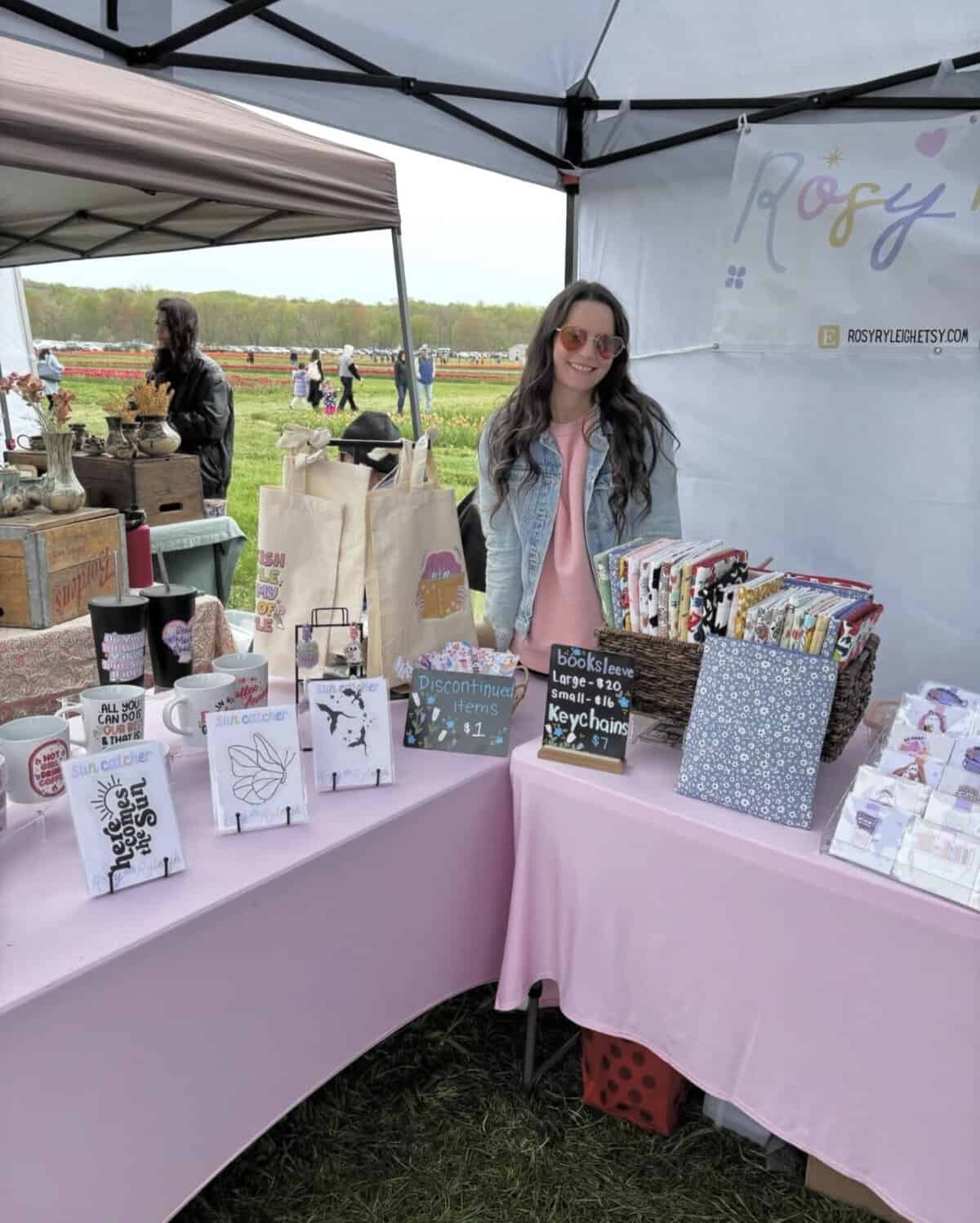
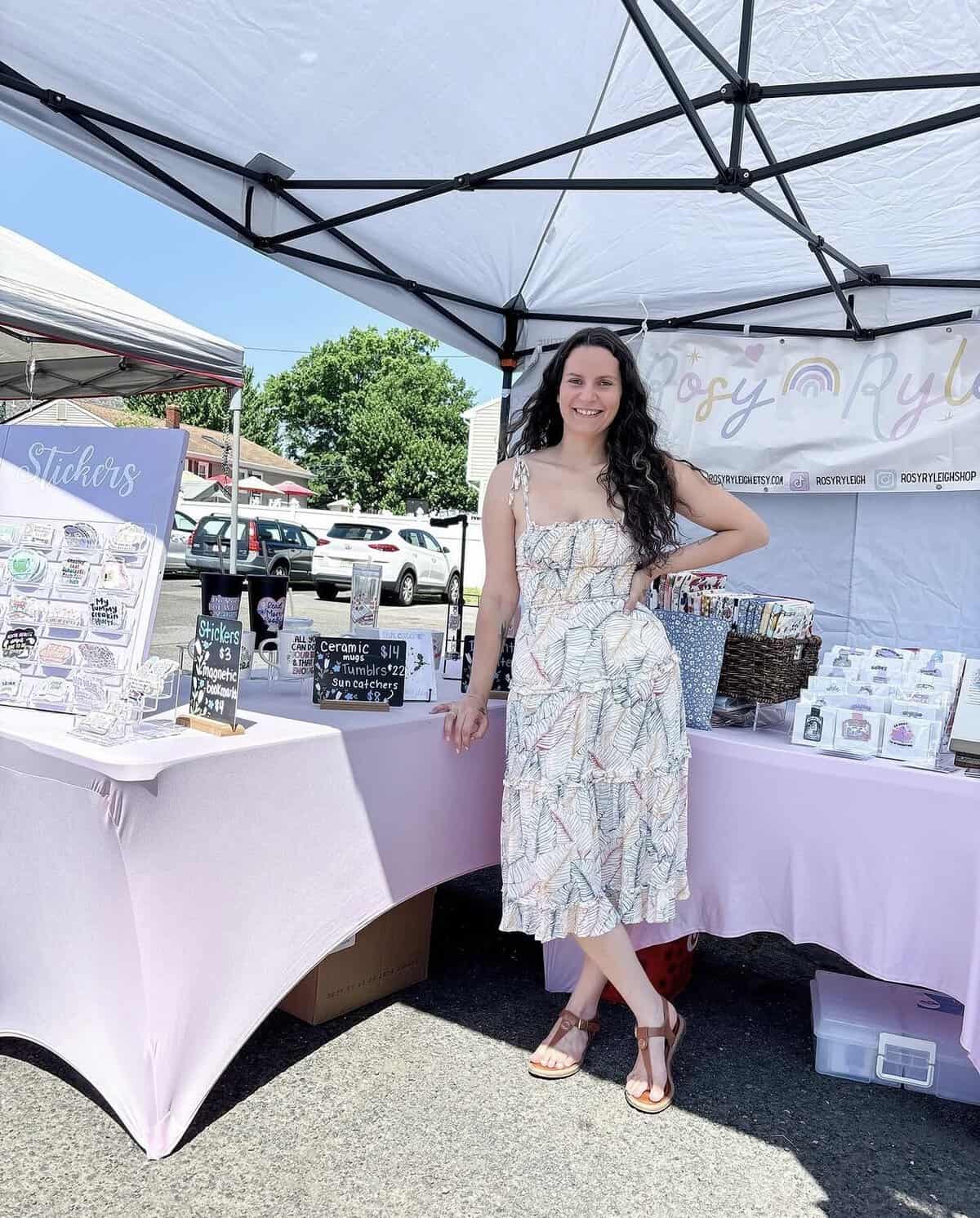
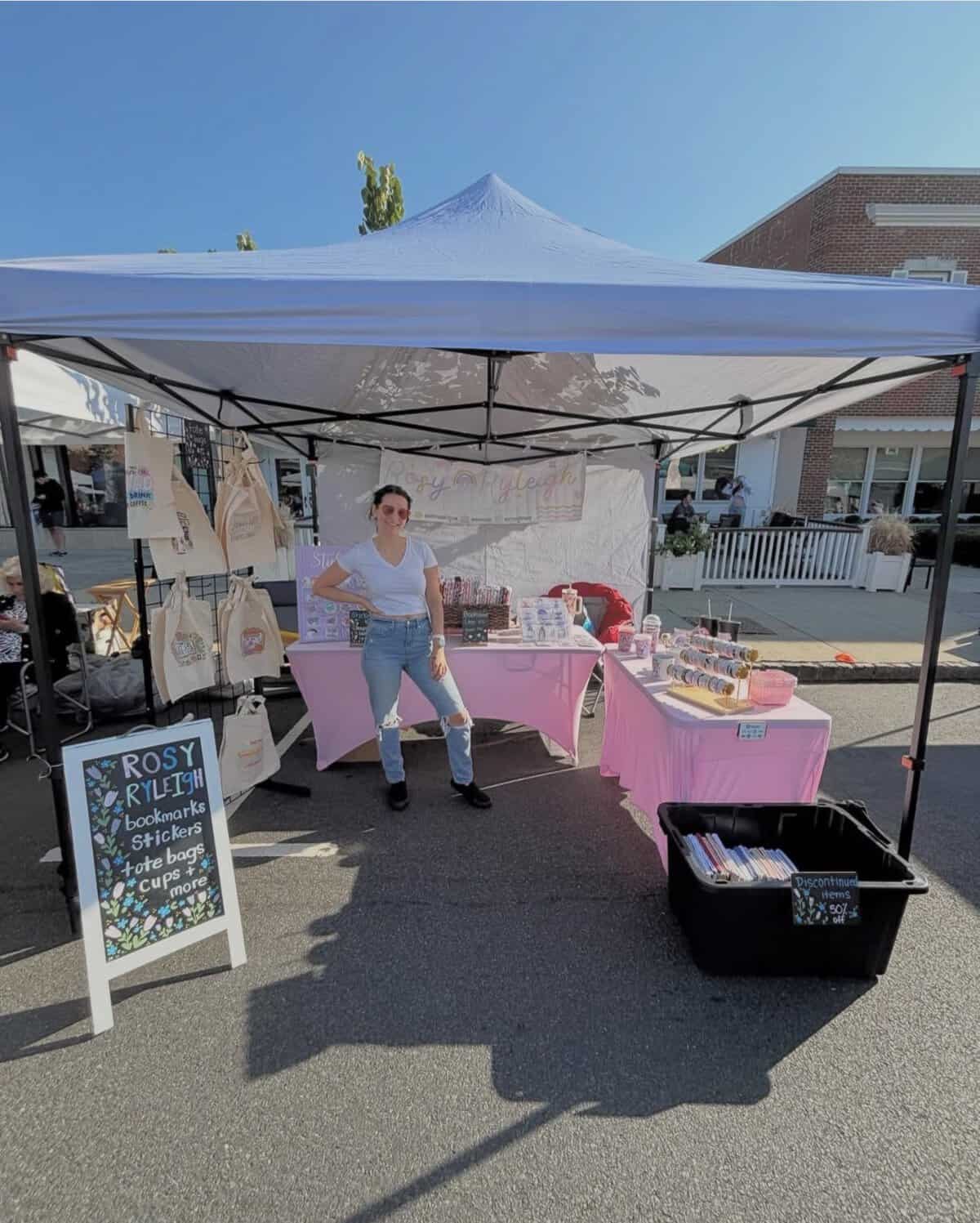
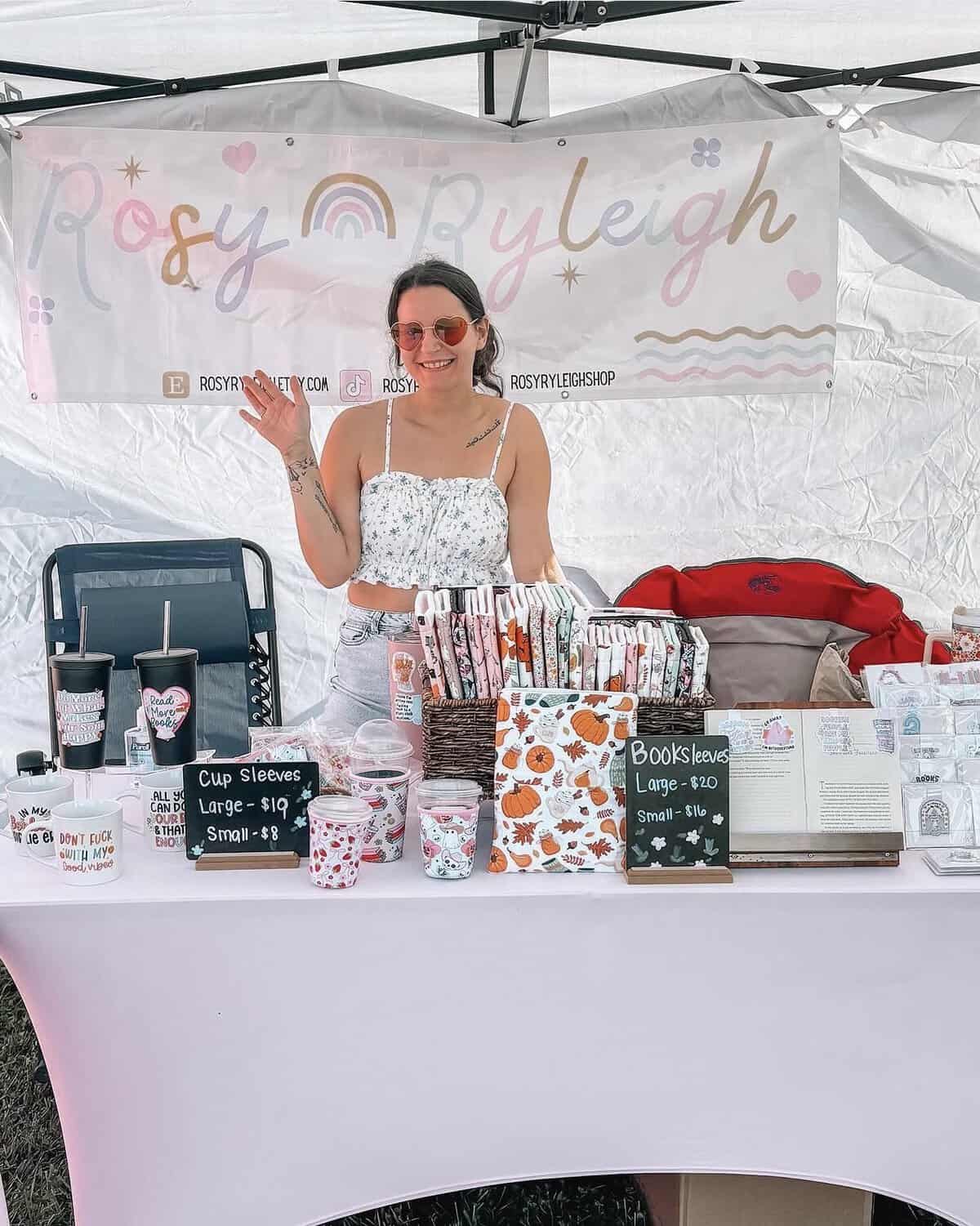
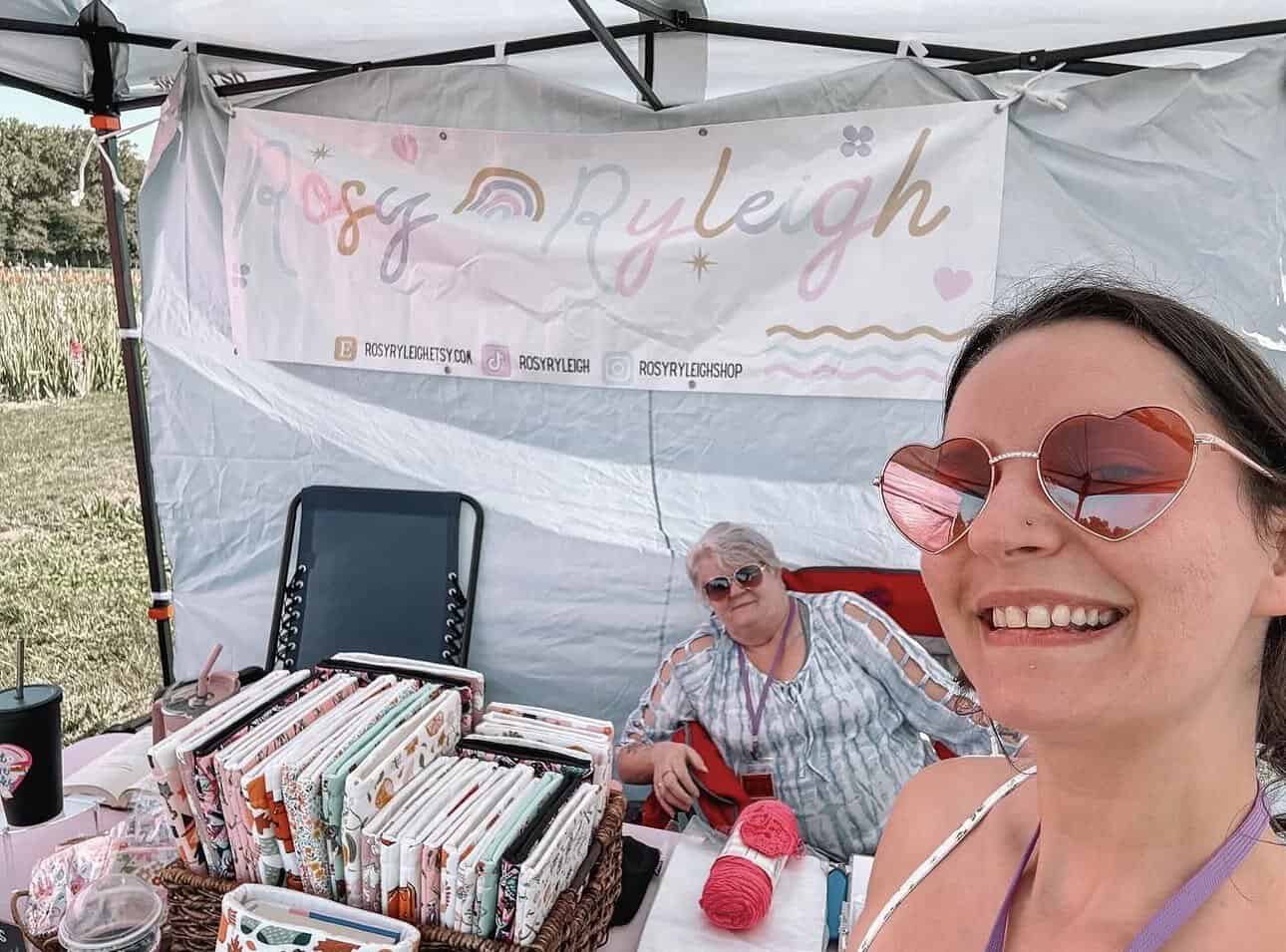
There’s a very specific kind of optimism you have before your first craft market. You picture a steady stream of customers, people loving your products, maybe even selling out of something and feeling like a small business superstar. And then reality shows up. Sometimes it’s slow crowds. Sometimes it’s awkward small talk. Sometimes it’s you realizing you forgot something important… like change… or snacks… or your will to stand for six hours straight. Craft markets are part exciting, part chaotic, and occasionally humbling in ways you didn’t plan for. So if you’re thinking about doing one, here’s everything I learned… the hard way.
Weather is not a suggestion
If you’re outdoors, you are at the mercy of the sky. Wind will test your setup. Heat will test your patience. Cold will test your will to exist. Bring weights for your tent. Bring layers. Bring snacks. Basically, prepare like you’re going on a mildly inconvenient camping trip where you also have to sell things. If you don’t believe me, watch this YouTube video from my time at Holland Ridge Farm. I think I almost cried like 4 times..
Don’t make 100 of something you haven’t tested
I once made a lot of inventory for something I was convinced would sell. It did not. After that I made sure to test small batches first. If it sells, great, I’ll make more. If it doesn’t, at least you’re not stuck with a pile of “learning experiences” and out $100+.
Booth setup matters more than you think
People absolutely judge your table in about 3 seconds. If it looks cluttered, they keep walking. If it looks inviting, they pause. You don’t need anything fancy, but you do need clear display levels (not everything flat on a table), readable signs, something that catches the eye from a distance. Think: “would I stop here?” If the answer is no, tweak it.

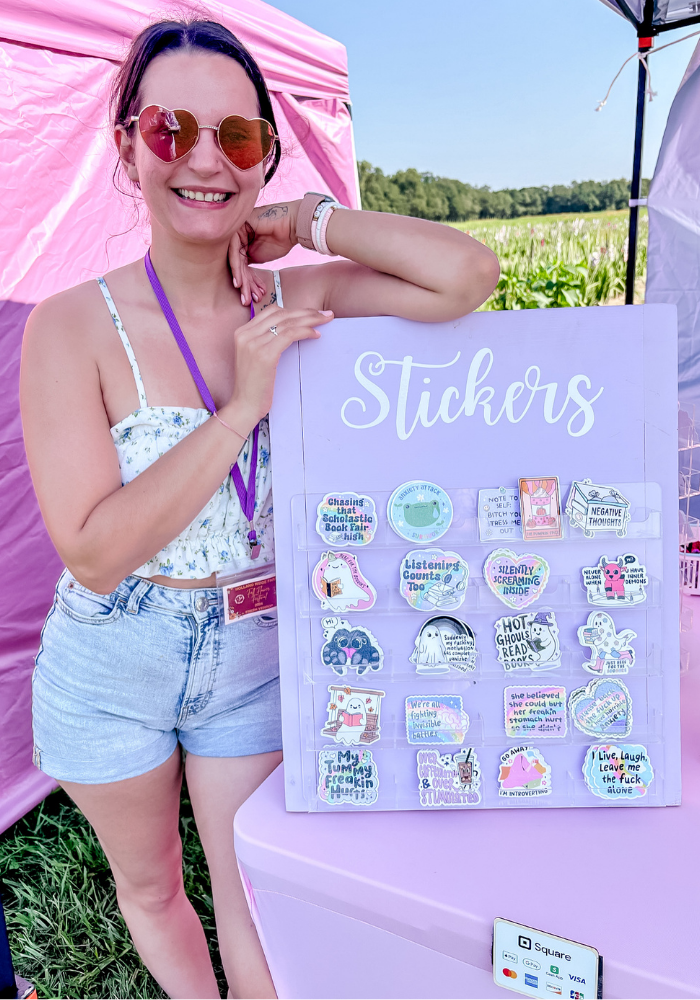
For my table I used a lot of colors from my logo and made sure to have varying heights to catch the eye!
Pricing isn’t just math, it’s psychology
Some items I loved didn’t sell at all. Other things I almost didn’t make? Gone in an hour. People shop differently at markets. Lower-priced, impulse-buy items tend to move faster. It’s not about undervaluing your work. It’s about understanding the environment.
Stickers always did well and were my best seller (which is good considering 80% of my shop was stickers). I usually priced 1 sticker at $3 and would have a bundle offer like 4 stickers for $10. Often people would go for the bundle option!
Not every market is worth your time
Some are amazing. Some are… character building. Low turnout, wrong audience, poor organization, it happens. One slow market doesn’t mean your products are bad. It just means that crowd wasn’t your crowd. I suggest doing a lot of research on the area before booking your table. My products did best at street markets, but not so great at indoor markets.
Talk to people (even when it feels awkward)
You don’t have to be pushy, but a simple “Hi!” or “Let me know if you have questions” goes a long way. When I actually engaged, I made more sales. When I sat there quietly… not so much. For me it was a little easier because my product was book related. Often conversations happened naturally talking about favorite books/funny quotes I had.
Bring multiple forms of payment
This one is non-negotiable. Some people have cash. Some only use cards. Some are living in the future and tap everything with their phone. If you can’t take their preferred payment, you’re basically watching a sale walk away in real time. At minimum you should bring cash (and small bills for change), a card reader (I purchased the tap to pay Square option for $60), Venmo or another mobile payment. option Make it easy for people to give you money. That’s the goal.
Quick personal story, I was vending at Holland Ridge Farm for the first time and one of my vendor neighbors kept asking me for cash because she didn’t bring any. Often times she had to turn people away who wanted to purchase her pottery because she didn’t have change. Don’t be the one who has to turn people away!
Burnout is real
Doing multiple markets sounds great… until you’re waking up early, hauling bins, setting up, standing all day, packing up, and doing it again the next weekend. It’s a lot. Give yourself breaks. Not every opportunity is worth saying yes to. I made this mistake and often lost money from table deposits because I thought more markets meant more money.
Create a designated checkout spot (this one saves your sanity)

At first, I treated checkout like an afterthought. Money here, bags there, scissors somewhere in a bin I can’t reach while someone is standing there waiting. Chaos. Then I started setting up a dedicated checkout zone, and everything changed. I keep one small area that has everything I need in one place. Anything I might need quickly while someone is checking out makes transactions smoother, faster, and way less stressful. Plus, it makes your booth feel more organized and intentional instead of “creative explosion with pricing.”
For mine I used 3 crates and painted them purple to match my brand colors. I even added a wheel with fun prizes/coupons to entice people to buy!
Make parts of your booth photo-worthy

This one surprised me the most. People love a good photo moment. If your booth has even one cute, intentional spot, people will take pictures, those pictures often turn into free promotion you didn’t even ask for. For me, I had a mirror with a decal on it that people could use for selfies. It wasn’t anything complicated, but it created a little “pause and play” moment in the booth. Other ideas could include a branded backdrop or banner wall, a styled corner with your products, or a fun quote sign or aesthetic prop. Anything that makes people stop and say, “this is cute, I need a picture” It doesn’t have to be fancy. It just has to feel intentional enough that people want to linger.
What would I do differently If I could go back? I’d start smaller with inventory, invest in a sturdier setup sooner, be pickier about which markets I applied to, stress less about being “perfect” because at the end of the day, every market taught me something—even the chaotic, wind-blown ones. And honestly? Those are the stories that stick.
Good luck and happy vendor-ing!
Pin This Post
